
When you meet Víctor Marcén, you immediately realize that sport isn’t just something he does — it’s part of who he is. He describes himself as a cheerful, sporty person, and just a few minutes of conversation are enough to understand that this word — sporty — has accompanied him his entire life. Before his spinal cord injury, he already played football, tennis, and practically anything that involved movement. “I’ve been doing sports for as long as I can remember,” he recalls.
That’s why, when his life took a drastic turn, he didn’t hesitate much about which path to take. At a moment like that, he explains, there are only two options: shut yourself away in a bubble… or keep living. And he chose to live. And for him, living meant continuing to do sports.
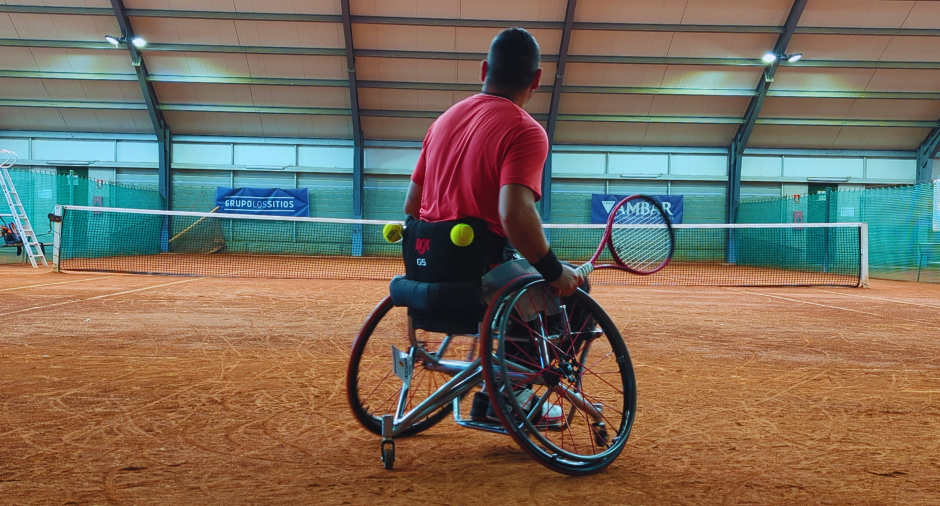
FROM THE HOSPITAL TO COMPETITION
During his recovery he tried many adapted sports, until he discovered that tennis was still there, waiting for him. It wasn’t the same, but it was possible — and that was enough. In 2012, he began training seriously thanks to two coaches from El Olivar who had just completed training in wheelchair tennis. Later on, with the help of Carlos and Miguel, two players from the Federation who lent him his first chair, he began taking his first shots in this new chapter.
A year later, he was already competing on the national circuit, traveling across Spain and dedicating more and more time to the sport. There was a pause due to an ulcer, but he never stopped trying. Today, more than a decade later, he continues to train and travel.
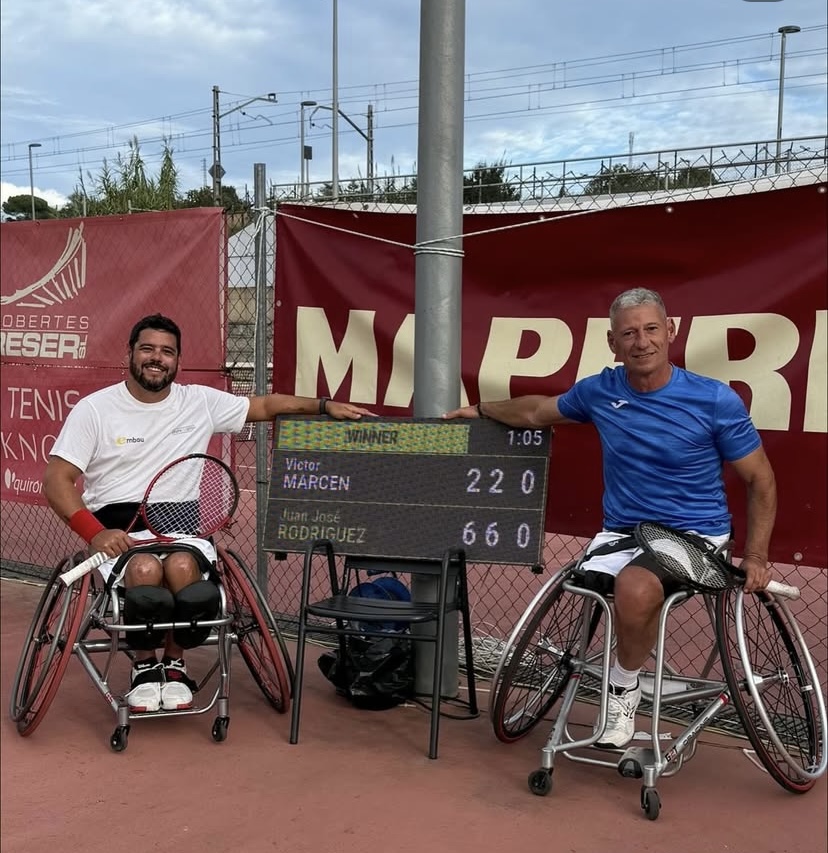
If there’s one moment he remembers with special emotion, it’s this year: qualifying for the Masters, where only the eight best players in Spain compete. It wasn’t his goal — he was aiming for the Spanish Championship, which brings together the top twelve — but as he says, “the Masters was a bonus.”
He had already reached it in 2014, but achieving it now, after so much time away and only three years back competing, carries a completely different meaning.
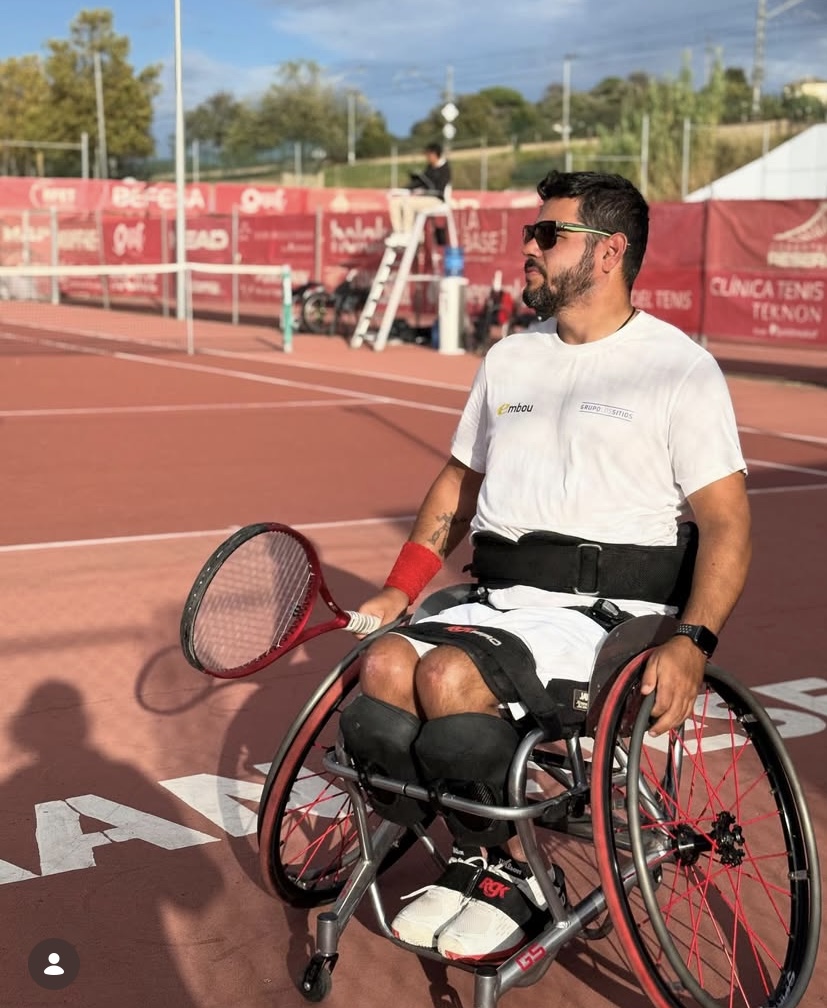
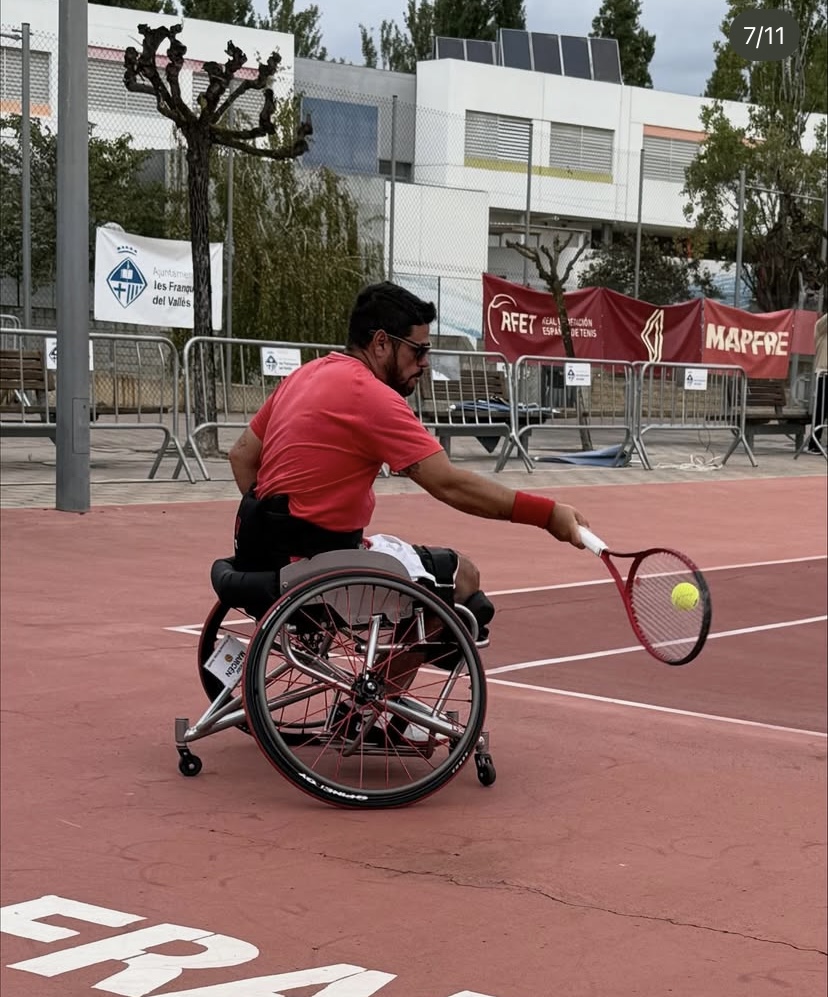
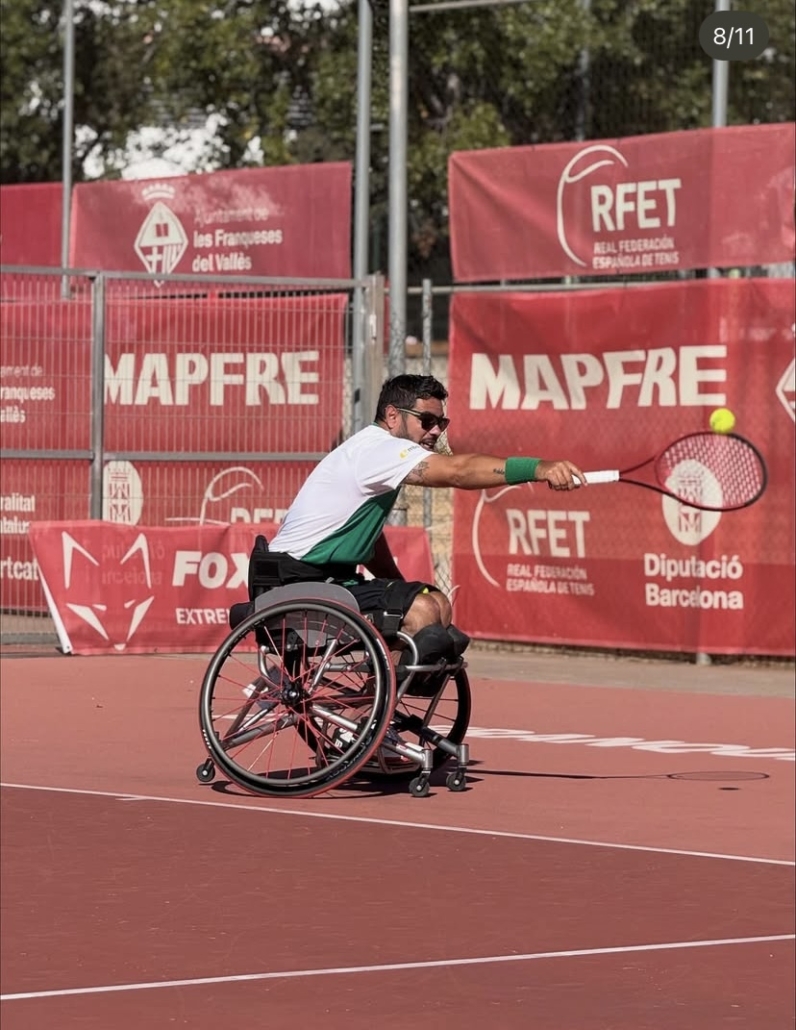
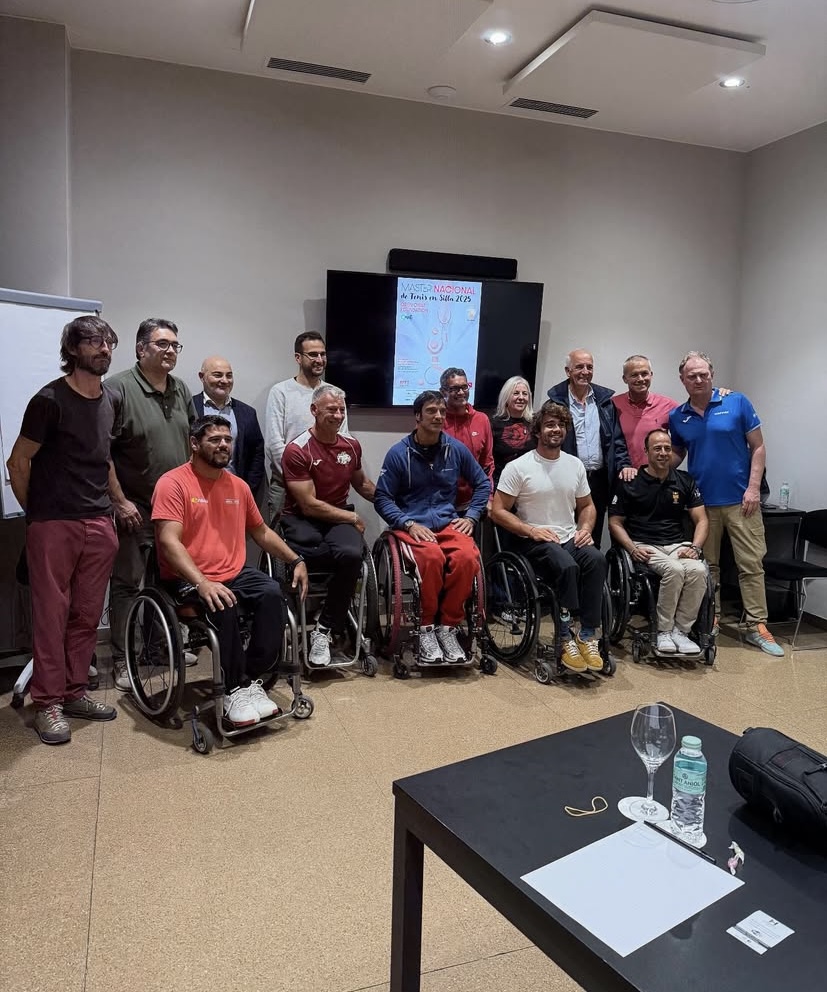
MÁSTER NACIONAL DE TENIS EN SILLA 2025
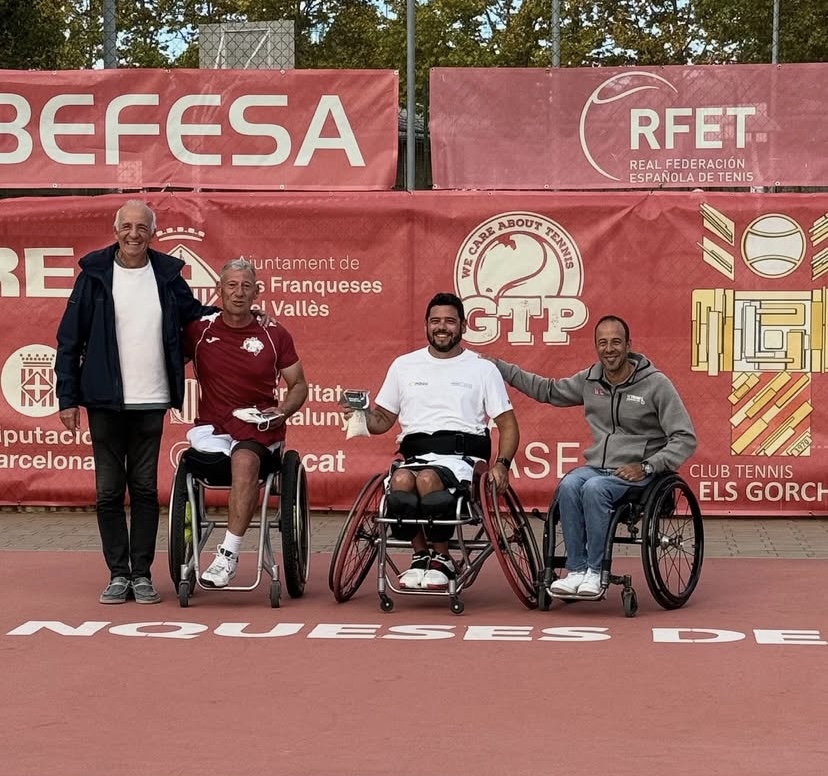
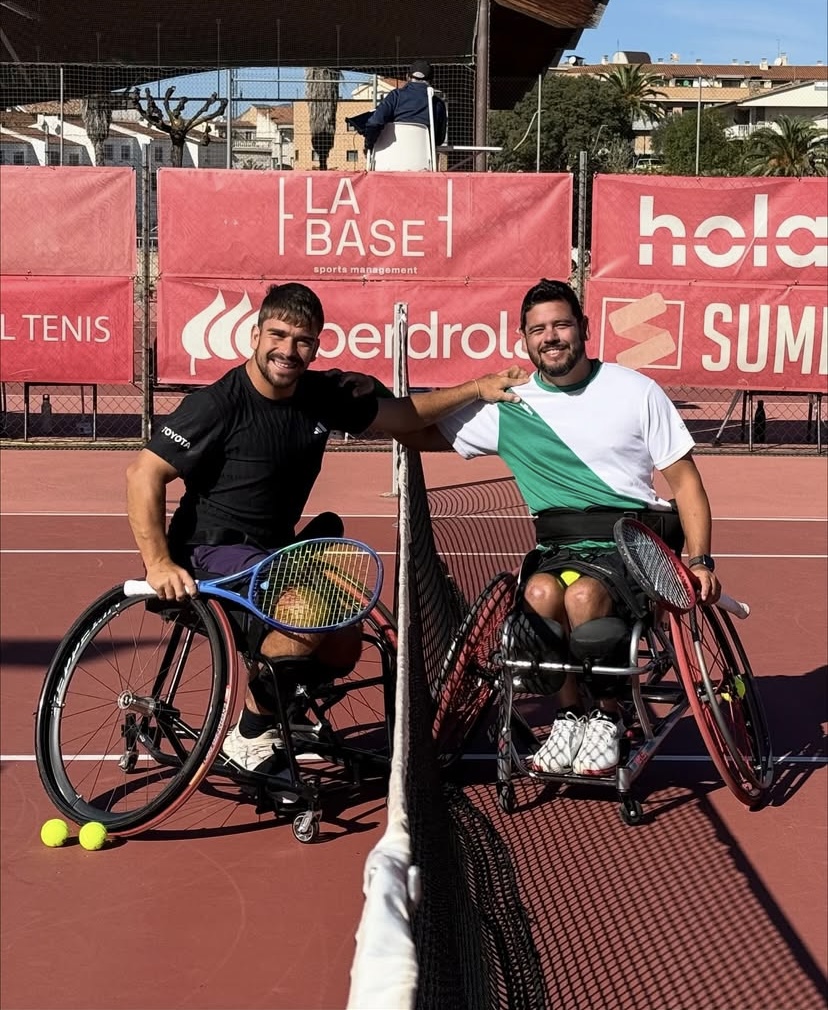
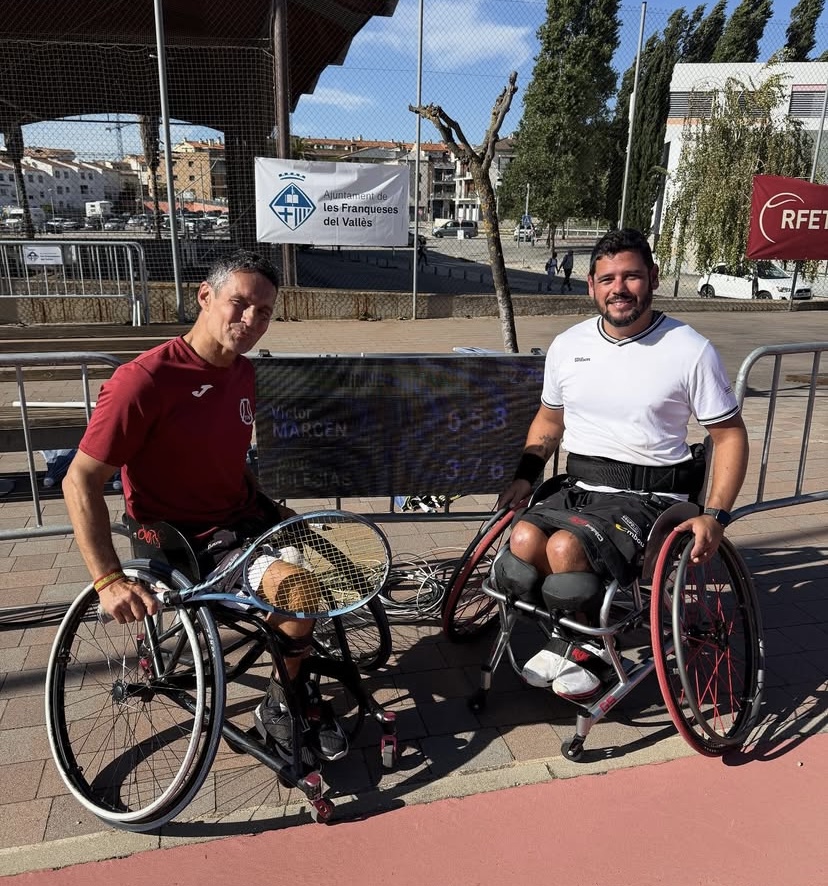
ADAPTED TENNIS: A DIFFERENT WAY OF MOVING
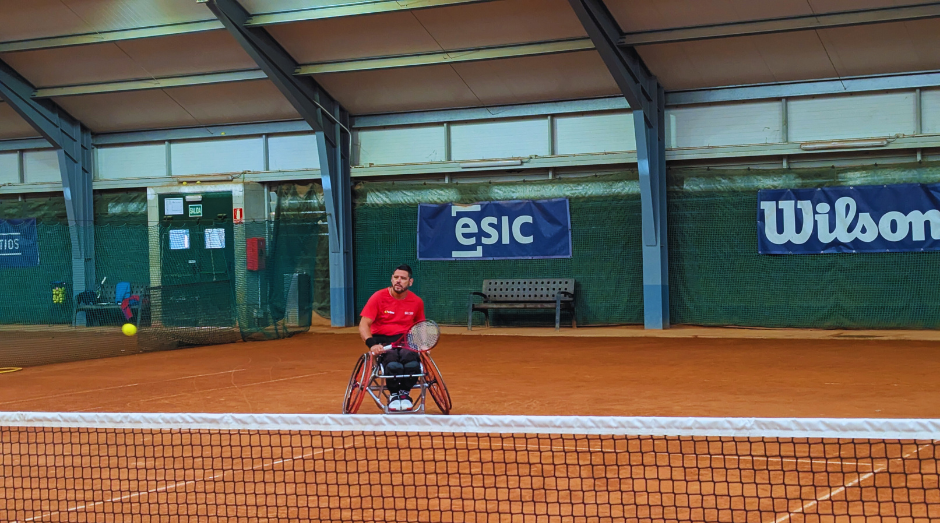
Víctor explains the difference simply: mobility. In conventional tennis there are lateral steps, quick starts forward or backward. In wheelchair tennis, the body no longer moves the same way: the chair becomes an extension of the player, who must stay in constant motion to adjust every shot. There is, however, one major advantage: the ball can bounce twice.
Although the level of wheelchair tennis in Spain is very high — there are two players among the world’s top ten — he admits there is still a lack of media visibility. “Outside the tennis world, very few people know about it,” he says.
His role models are the all-time greats: Nadal for his tireless effort, Federer for his elegance. And within adapted sports, he admires Shingo Kunieda, the Japanese player who went three years without losing a match and is now a global ambassador for the sport.
DOBLE BOTE: A PROJECT THAT OPENS DOORS
In addition to competing, Víctor runs his own association, Doble Bote, dedicated to promoting adapted padel and tennis. Together with his team, he visits schools and organizations to show that with a disability, sport doesn’t disappear — it transforms.
Children are always left with a special memory: they get to try the chairs, move around, experiment. And, as he says laughing, they also ask the most original questions:
Do you sleep in the chair?
How do you go fishing?
Can you ride a motorcycle?
Questions that, in their innocence, open the door to explaining what life is really like after a spinal cord injury.
At Lacor Textil, we’ve had the privilege of welcoming him to our facilities. The way he communicates, his naturalness, and his approach to life reflect values that feel very close to our own: effort, resilience, teamwork, and the importance of supporting each other to keep growing.
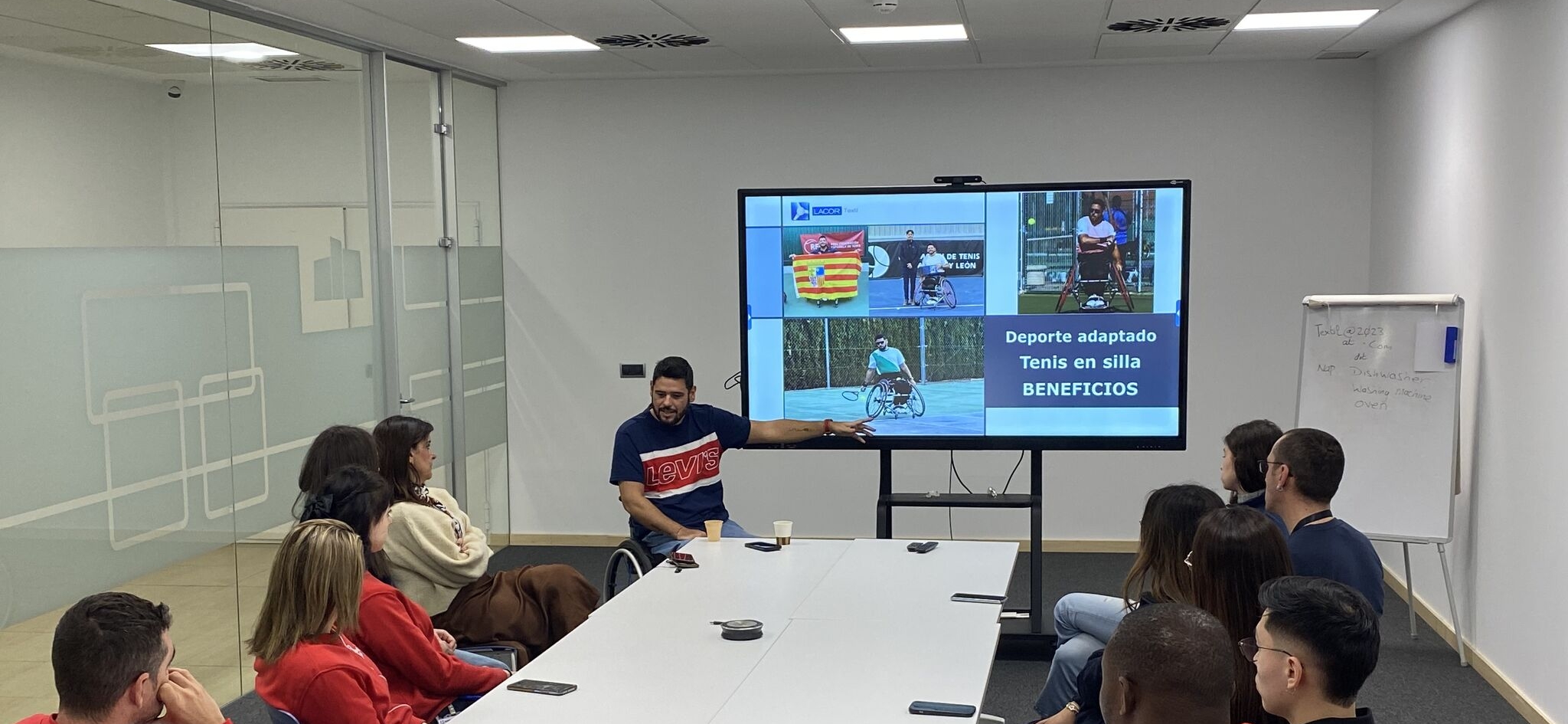
Víctor Marcén en Lacor Textil dando una charla.
VÍCTOR’S LOOK TOWARD THE FUTURE
Víctor competes in a category where players with different levels of injury meet, which means he sometimes starts at a disadvantage. Even so, his goal hasn’t changed: to keep enjoying, keep traveling, and keep competing for as long as his body allows. Thanks to tennis he has visited cities like Nantes or Geneva, places he might never have seen if it weren’t for the sport.
When he thinks about the future, he allows himself to dream:
- That a specific category for more severe injuries exists.
- Going to the Paralympics.
- Winning a medal.
And, finally, a piece of advice as simple as it is honest:
“You can do so many things even in difficult situations. You have to look on the bright side and keep moving forward. And above all, do sport. Any sport. Sport clears your mind, and helps you mentally and physically. And for us, with an injury, staying in shape is key.”
Víctor is proof that life can change in an instant — but also that the capacity to overcome is endless. His story inspires, motivates, and reminds us that there is always a way forward. And at Lacor Textil, we are proud to support him and learn from him.